
Importance of Vocal Health for Podcasters
For podcasters, the voice is their primary tool, making vocal health an essential consideration. A clear, engaging voice helps to captivate listeners and build strong connections. When podcasters neglect their vocal health, they risk losing their unique sound, which can ultimately impact their audience’s experience. Consider this: a podcaster who records daily without proper vocal care can struggle with fatigue, leading to a scratchy voice or hoarseness.
This not only hampers your performance but can also deter listeners.
I’ve been doing a daily show since January 1st 2024. And although it is a short show, I find that I experience some of these issues from time to time while recording the Daily Quote.
Common Vocal Strain Issues
Many podcasters find themselves facing vocal strain issues, including:
- Hoarseness: Often caused by overuse, it leads to a raspy sound.
- Vocal Fatigue: Feeling tired after recording is a clear sign of strain.
- Loss of Range: Difficulty reaching high or low notes can indicate vocal stress.
By recognizing these issues early, podcasters can take proactive steps to safeguard their vocal health.
Understanding Vocal Health
How the Voice Works
To appreciate vocal health, it’s important to understand how the voice works. The voice is produced when air from the lungs passes through the vocal cords, causing them to vibrate. This vibration creates sound, which is then modified by the throat, mouth, and nasal passages. As you speak into your microphone, these elements work together to produce your unique voice.
Factors Affecting Vocal Health
Several factors can affect vocal health, and being aware of them is crucial. Common influences include:
- Hydration: Being well-hydrated keeps the vocal cords lubricated, helping them vibrate freely.
- Environment: Dry air or allergens, like dust, can irritate the vocal cords.
- Diet: Spicy or acidic foods can cause reflux, affecting voice quality.
By understanding these factors, podcasters can take proactive measures to maintain their vocal health.
Tips for Maintaining Vocal Health
Hydration and Diet
To maintain optimal vocal health, hydration and diet play vital roles. Just like a well-tuned instrument, your voice needs the right conditions to perform well. Drinking plenty of water throughout the day helps keep vocal cords moist, reducing the risk of strain. A few dietary tips include:
- Drink enough water: Aim for at least 8 glasses daily.
- Avoid excess caffeine and alcohol: These can dehydrate the body.
- Incorporate fruits and vegetables: Foods like apples and pears can help keep the throat hydrated.
Vocal Warm-Ups
Engaging in vocal warm-ups is equally important. Just as athletes stretch before a game, podcasters should prepare their voices. Simple exercises can include:
- Lip trills: Buzz your lips together while vocalizing.
- Humming: Start from a low pitch and gradually increase.
- Sirens: Glide your pitch from high to low, warming up the vocal cords.
By implementing these practices, podcasters can ensure their voices are ready for action, allowing for clearer and more engaging content delivery.
Avoiding Vocal Strain
Proper Breathing Techniques
To avoid vocal strain, mastering proper breathing techniques is helpful. Many people tend to breathe shallowly, which can lead to tension in the throat and vocal cords. Instead, try diaphragmatic breathing. This technique involves breathing deeply into your abdomen rather than just your chest. Here’s how to practice it:
- Place a hand on your belly: Feel it rise and fall as you breathe in and out.
- Inhale deeply: Through your nose, letting your belly expand.
- Exhale slowly: Through your mouth, keeping your shoulders relaxed.
Posture and Vocal Techniques
Your posture significantly impacts vocal health as well. Standing or sitting up straight allows for better airflow and vocal resonance. Podcasters should consider:
- Aligning your head and neck: Keeping them aligned with the spine.
- Relaxing the shoulders: Avoid tightness that can restrict airflow.
- Using resonance: Project your voice without straining by focusing on using your chest and mouth as resonators.
By combining proper breathing and posture, podcasters can significantly reduce their risk of vocal strain, resulting in a stronger and more pleasant sound.
Rest and Recovery
Importance of Rest for Vocal Health
Just like any muscle in the body, vocal cords need adequate rest to function optimally. Podcasters often overlook this crucial aspect of vocal health, pushing through recordings even when their voice feels fatigued. Failing to take breaks can lead to long-term damage, causing chronic issues such as hoarseness or vocal cord nodules. Incorporating regular vocal rest not only aids recovery but also rejuvenates the voice, allowing for clearer and more vibrant sound delivery in future recordings.
Practices for Vocal Health Recovery
To facilitate effective recovery, consider these practices:
- Vocal rest days: Set aside specific days where no speaking or recording occurs.
- Gentle hydration: Continue to drink water and herbal teas, which are soothing.
- Steam inhalation: Inhaling steam from hot water can help soothe irritated vocal cords.
By prioritizing rest and recovery, podcasters can protect their voices and enhance their overall vocal performance.
Seeking Professional Help
When to Consult a Vocal Coach
Knowing when to consult a vocal coach can significantly enhance your performance as a podcaster. If you find yourself consistently straining your voice, struggling with pitch control, or experiencing vocal fatigue after recordings, it might be time to seek professional advice. A vocal coach can provide personalized feedback and tailored exercises to improve your technique.
- Signs to consider:
- Frequent hoarseness after sessions
- Difficulty maintaining vocal stamina
- Limited vocal range
Benefits of Seeing a Speech Therapist
Additionally, seeing a speech therapist can be incredibly beneficial, especially if vocal strain persists. Speech therapists specialize in the mechanics of voice production and can address any underlying issues. Benefits include:
- Customized vocal exercises: Tailored to your specific needs.
- Assessment of vocal health: Identifying any potential medical concerns.
- Support for voice disorders: Offering techniques to manage and recover from vocal issues.
By seeking professional help, podcasters can ensure they are equipped with the tools necessary for maintaining long-term vocal health.
Technology for Vocal Health
Apps for Vocal Health Monitoring
Numerous apps are designed specifically for vocal health monitoring. These applications can track your vocal usage, provide reminders for hydration, and offer exercises to strengthen your voice.
1. Vocal Pitch Monitor – Voice Whiz
Best for: Singers, voice students, and anyone looking to analyze their pitch accuracy.

Vocal Pitch Monitor – Voice Whiz utilizes machine learning and speech recognition to analyze your voice in real-time. It classifies your voice into categories such as Male, Female, or Androgynous and provides key metrics related to your voice. The app allows users to practice pitches within their vocal range, track progress over time, and offers features like progress tracking, reminders, and educational tips. It’s designed for individuals looking to gain insights into their vocal characteristics and improve their voice through targeted practice.
2. Astound – Voice and Speech Coach
Best for: Public speakers, professionals, actors, and anyone wanting to enhance vocal confidence and clarity.

Astound is a voice and speech coaching app that helps users improve articulation, clarity, projection, and presence. Designed for professionals, speakers, and performers, it offers guided training programs covering essential vocal techniques such as breath control, resonance, intonation, and pacing. The app features personalized lessons and AI-driven feedback that adapts to the user’s needs. Whether you’re preparing for a speech, an audition, or just want to develop a more powerful voice, Astound provides structured exercises and practical tips to make your voice more engaging and effective.
3. Vocal Image – AI Voice Coach
Best for: Anyone wanting to enhance vocal tone, resonance, and delivery, including speakers, singers, and podcasters.

Vocal Image is an AI powered voice training app that analyzes vocal characteristics and provides personalized exercises to help users develop a stronger and more controlled voice. Using machine learning, the app assesses pitch, resonance, and tone, offering targeted coaching to improve vocal performance. It includes guided exercises, vocal warm-ups, and progress tracking, making it a great tool for those looking to refine their voice for public speaking, singing, or general communication. It’s particularly helpful for individuals who want to make their voice sound more authoritative, clear, and expressive.
4. Voice Tools – Pitch, Tone, and Volume
Best for: Speech therapy, transgender voice training, and anyone seeking better vocal control.

Voice Tools is designed to help users adjust their pitch, tone, and volume through real-time visual feedback. The app is widely used for speech therapy, vocal training, and transgender voice modification, as it allows users to see their vocal pitch range and track progress over time. It features a pitch tuner, volume control feedback, and tone-modifying exercises to help users achieve their desired vocal quality. The app can also be beneficial for individuals recovering from voice-related conditions or those looking to enhance their vocal modulation and expression.
5. Warm Me Up!
Best for: Singers, vocalists, and speakers looking for structured warm-up routines.

Warm Me Up! is a dedicated vocal warm-up app designed to prepare the voice before performances, rehearsals, or speaking engagements. It offers a structured selection of warm-up exercises covering breath control, resonance, articulation, and pitch flexibility. The app features customizable routines that cater to different vocal needs and time constraints, allowing users to choose warm-ups based on how much time they have available. Whether you’re a professional singer, actor, or speaker, this app ensures that your voice is properly warmed up and ready for performance, helping to prevent strain and improve vocal health over time.
Utilizing these technological advancements can empower podcasters to take control of their vocal health proactively, ultimately leading to improved performance and longevity in their craft.
6. Vocal Pitch Monitor
Best for: Musicians and Singers
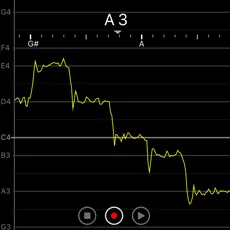
Vocal Pitch Monitor, not to be confused with Vocal Pitch Monitor – Voice Whiz, is a real-time pitch detection app that provides visual feedback on your vocal pitch as you sing or speak. The app displays your pitch on a scrolling graph, making it easy to see fluctuations and stay in tune. It’s particularly useful for singers practicing ear training, vocal accuracy, and control over their voice. The app supports various tuning systems and can be a helpful companion for those learning music theory or working on their vocal technique. While it doesn’t provide specific exercises, its real-time feedback makes it a valuable tool for self-improvement.
Conclusion
As we’ve explored, maintaining vocal health is vital for podcasters seeking to create engaging content without the risk of strain or damage. From understanding how the voice works to implementing effective practices for hydration, proper technique, and rest, every piece plays a crucial role in preserving your unique sound.To recap, consider these key takeaways:
- Stay Hydrated: Proper hydration supports vocal cord function.
- Practice Warm-Ups: Simple vocal exercises can prepare your voice for recording.
- Utilize Technology: Tools and apps can aid in monitoring vocal health.
Ultimately, prioritizing vocal care empowers podcasters to express themselves authentically. By taking proactive steps, they can ensure their voices remain strong, vibrant, and ready for every recording session, connecting with audiences in a meaningful way.